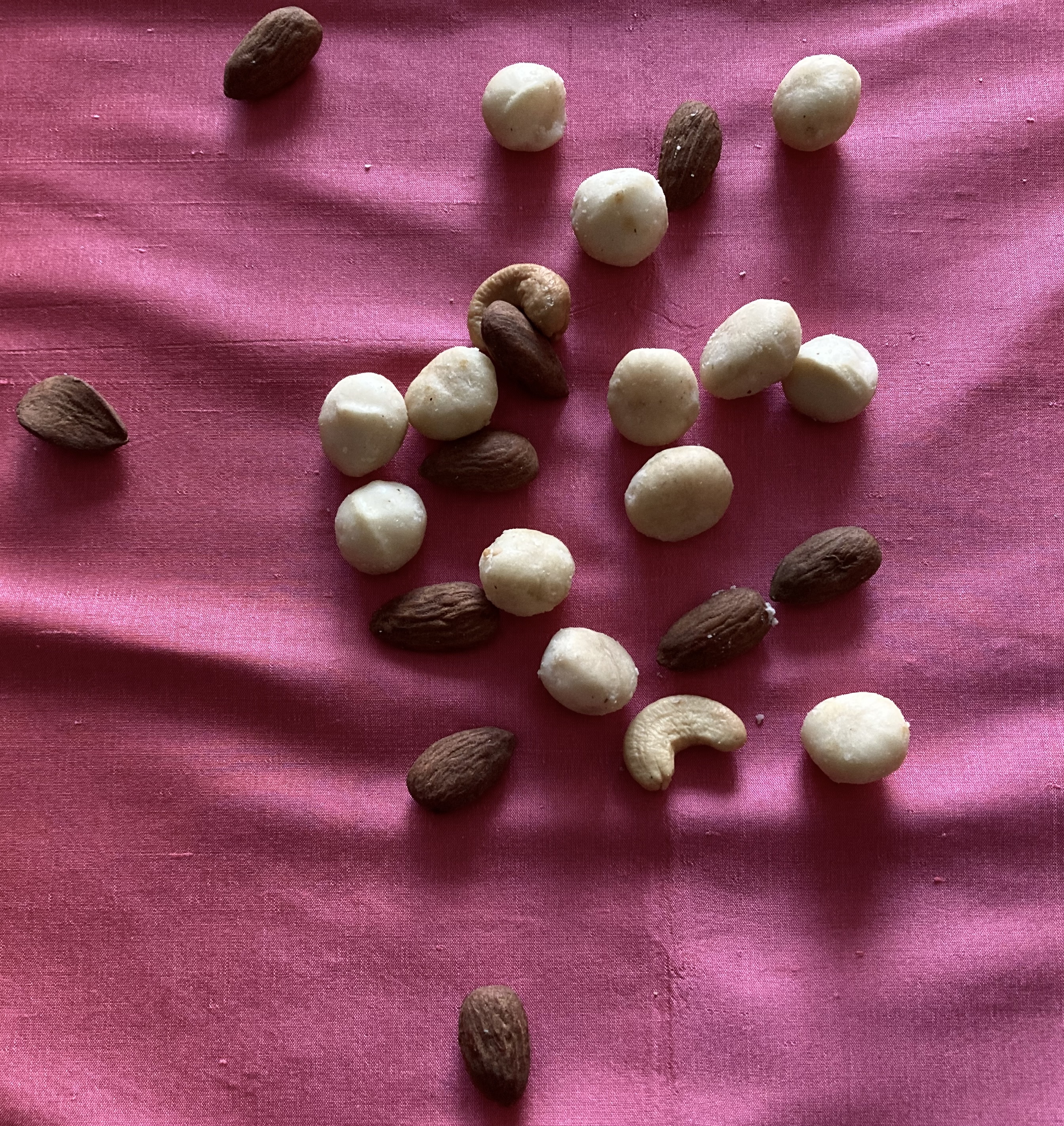
Thinking about the language we use around mental health, I was struck by the number of foods in the lexicon. Nuts. Crackers. Fruitcake. Bananas. A few sandwiches short of a picnic. All used to describe someone’s mental acuity, eccentricity or level of sanity. Fruits and baked goods. (Nuts are fruits. A particular kind of dry fruit with a single seed and a hard shell. Except peanuts, which are legumes and therefore, botanically speaking, a vegetable.) Vegetables don’t feature in the food/mental soundness vernacular. ‘Are you carrots?’ is a question asked by no one.
How did this food-related vocabulary become shorthand for mental illness? Go online and various explanations pop up. The one that catches my eye (because I’ve been researching and writing about ‘queer’ vegetables) is that most of these slang terms were previously related to (male) homosexuality. Which in the nineteenth- and early twentieth-century was widely considered a disease.
In the beginning—i.e. the first decade or so of the last century—fruitcake meant an unconventional or odd character. By the 1930s it was a derogatory term for a gay man. As was banana, meaning bent. (Before bananas became used as a description of a someone Asian in their outward appearance but white on the inside.)
There’s also rum. The adjective not the drink, meaning odd, strange or queer. As in: He’s a rum fellow. Not necessarily LGBTQ, more a colloquial way of saying that someone is on the unusual or quirky spectrum. According to etymologists rum the spirit and rum the descriptive word cannot be separated.
Back to fruitcake. For reasons that elude me, a food much maligned in America. Light fruitcake, dark fruitcake, rich fruitcake, experimental fruitcake, fruitcakes with just one or two dried fruits or fruitcakes with the lot—I like them all. And that’s how I came upon this wonderful essay, How—and Why—Did Fruitcake Become a Slur? by Mayukh Sen, author of one of my favourite recent food books, Taste Makers: Seven Immigrant Women Who Revolutionized Food in America.
 Eat The Table